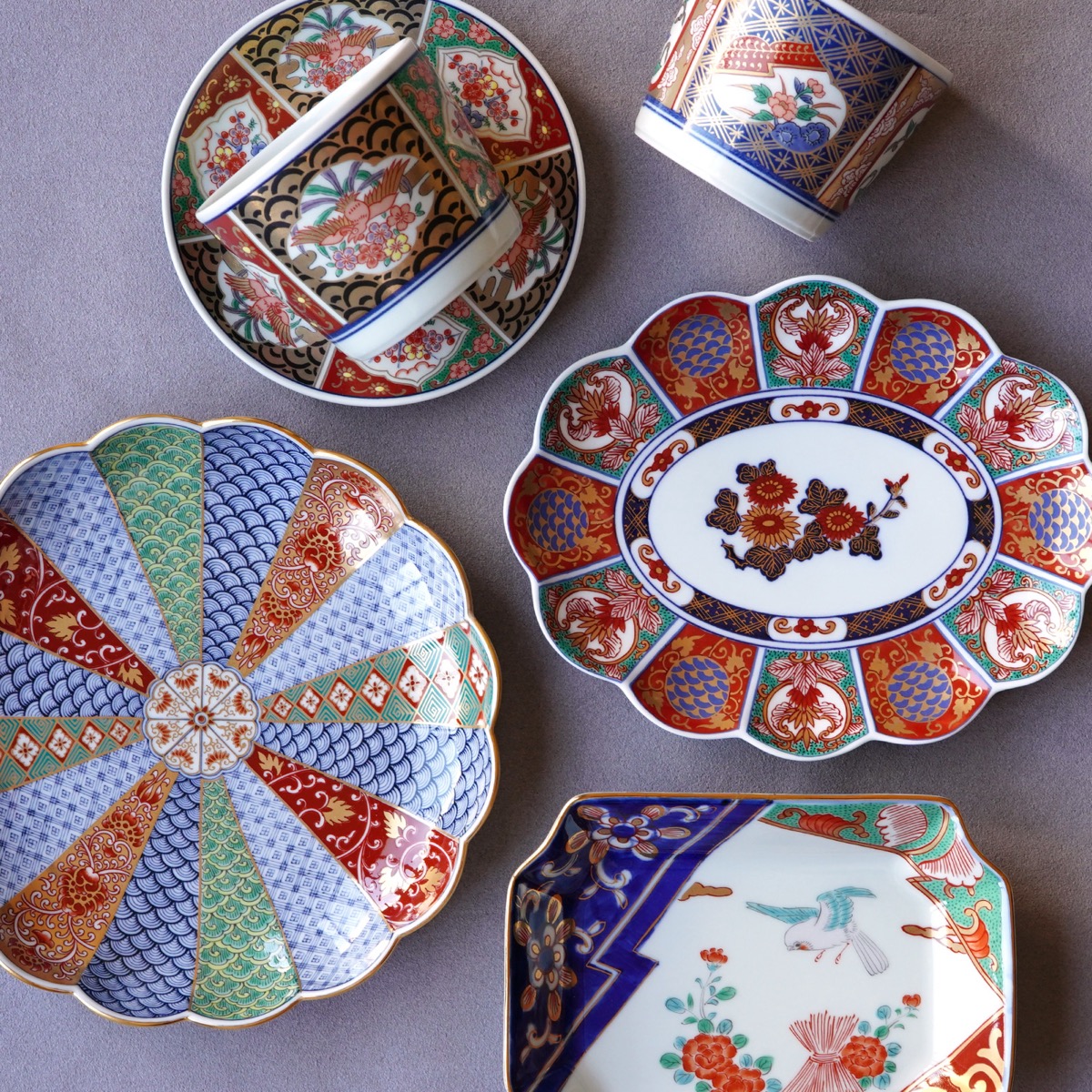
When you hold a piece of authentic Japanese tableware, you aren’t just holding a dish; you are holding centuries of tradition, geography, and a unique philosophy of beauty. Known as Yakimono (literally “fired things”), Japanese ceramics are world-renowned for their fusion of functional design and artistic expression. For those looking to bring the wabi-sabi aesthetic into their modern living spaces, understanding the nuances of Japanese pottery and porcelain is the first step. In this guide, we’ll explore the different styles of Japanese kilns and how you can find the perfect artisan pieces through the legendary Kyoto brand, Tachikichi.
For those looking to elevate their dining experience with the wabi-sabi aesthetic, understanding the nuances of Japanese ceramic names and types is the first step. Whether you are searching for minimalist Japanese tableware for daily use or premium Japanese ceramic brands like Tachikichi for special occasions, this guide will help you navigate the legendary kilns of Japan.
The best part? You don’t need a plane ticket to Kyoto to start your collection. Through Buyee’s proxy service, these artisan treasures—from robust Japanese pottery Raku styles to refined porcelain—can travel safely from a Japanese kiln straight to your dining table.
Table of Contents
Pottery vs. Porcelain: Understanding the Different Types of Japanese Ceramics
While “ceramics” is the common umbrella term, Japan divides this world into two distinct characters: toki (pottery) and jiki (porcelain). Understanding the raw materials and firing processes behind these two will help you choose the perfect authentic Japanese tableware for your specific needs.
| Category | Material | Firing Method | Texture & Characteristics | Representative Style |
|---|---|---|---|---|
Toki (pottery) |
clay | low-temperature firing | porous and thick rustic and earthy texture “soft” warmth |
Shigaraki-yaki Bizen-yaki |
Jiki (porcelain) |
pottery stone | high-temperature firing | dense and thin refined and sophisticated look smooth and hard |
Arita-yaki Kutani-yaki |
Exploring the Six Ancient Kilns: The Soul of Traditional Japanese Ceramics
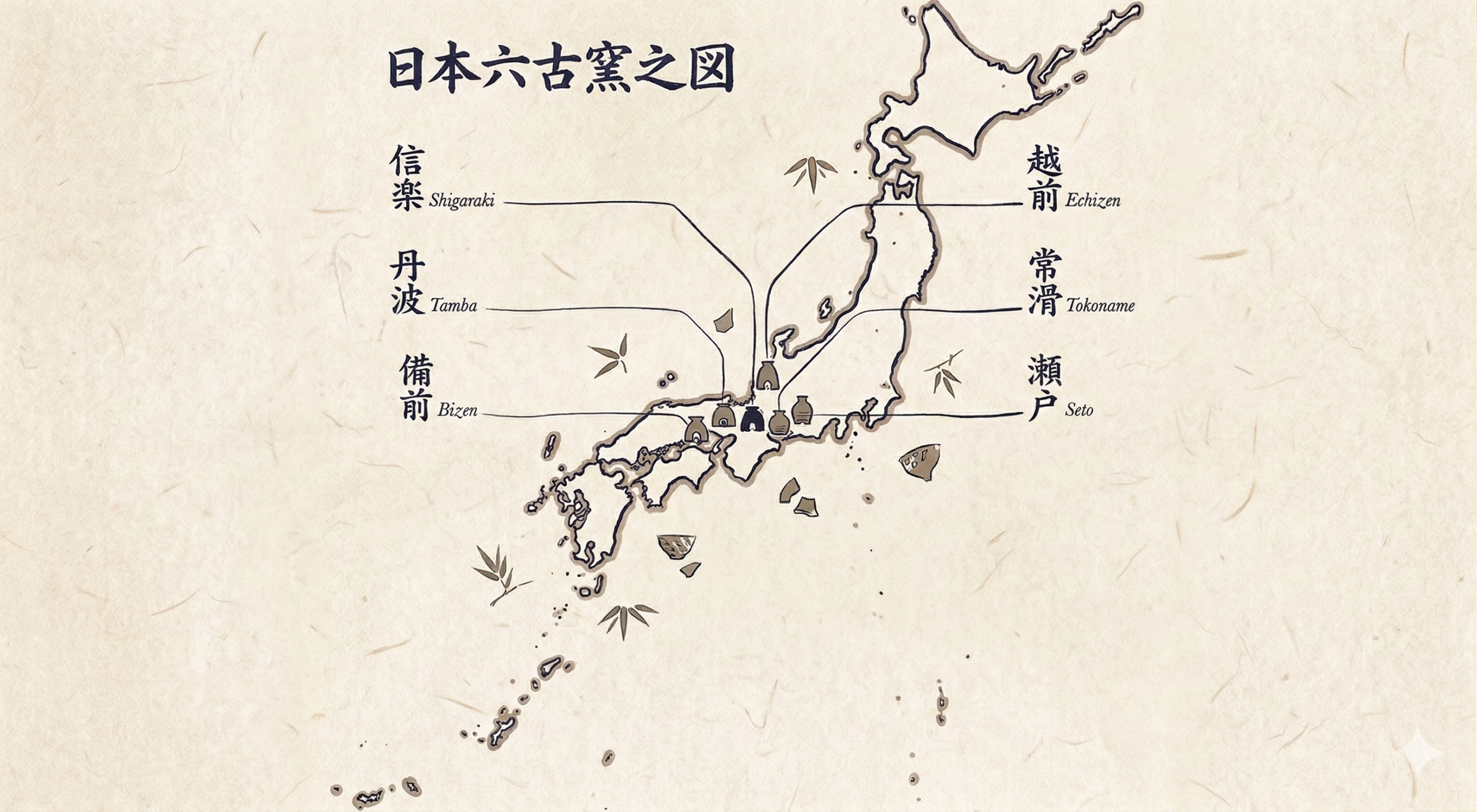
To truly understand Japanese ceramics, you must know the Nihon Rokkoyo, the “Six Ancient Kilns.” These are the six ceramic production sites that have been active for over 800 years, since the Heian and Kamakura periods. They represent the soul of traditional Japanese kilns and the enduring spirit of local craftsmanship.
Here is a breakdown of these historic styles and why they are prized by collectors today.
Echizen-yaki (Fukui): Simple and Strong
Originally made for practical use (like water jars), Echizen pottery is simple, heavy, and extremely durable. It features a natural “ash glaze” that drips down the side of the pot during firing.
Seto-yaki (Aichi): The Pioneer of Glaze
Seto was the first of the six kilns to use glazes. Because of its long history and variety, “Seto-mono” (Seto things) became a general Japanese term for all ceramics. It is known for elegant yellow and green glazes.
Tokoname-yaki (Aichi): The Red Clay Master
Famous for its deep red clay (rich in iron). Tokoname is world-renowned for its teapots, which are said to make green tea taste smoother and mellower due to the mineral content of the clay.
Shigaraki-yaki (Shiga): Rustic Charm
Known for its “scorch” marks and a coarse, sandy texture. Shigaraki clay often contains small grains of quartz that pop during firing, creating a beautiful, starry texture. (Famous for the iconic Tanuki raccoon dog statues!)
Tamba-yaki (Hyogo): Subdued Elegance
Known for its quiet, “cool” aesthetic. Tamba ware often uses a unique firing method that results in a greenish or blackish-brown finish. It is highly valued in the world of the Japanese Tea Ceremony.
Bizen-yaki (Okayama): The Art of Fire and Earth
Bizen is famous for being unglazed. The reddish-brown colors and unique markings are created entirely by the fire and ash inside the kiln. It is rugged, masculine, and has a metallic hardness.
The “Big Three” Japanese Pottery Brands and Styles for Modern Tables
Beyond the ancient kilns, three regions dominate the modern ceramic landscape. Known as the Nihon Sandai Toujiki (Japan’s Three Major Ceramics), these styles represent the heart of Japanese craftsmanship, blending centuries of tradition with everyday functionality.
Mino-yaki (Gifu)
Produced in Gifu Prefecture for over 1,300 years, Mino-yaki is the undisputed powerhouse of the craft, accounting for half of all ceramics made in Japan. It is defined by its incredible variety, featuring diverse glazes like the iconic forest-green Oribe and snowy Shino. Because it adapts effortlessly to any aesthetic, it is the go-to source for modern essentials like ramen bowls, coffee mugs, and versatile pasta plates.
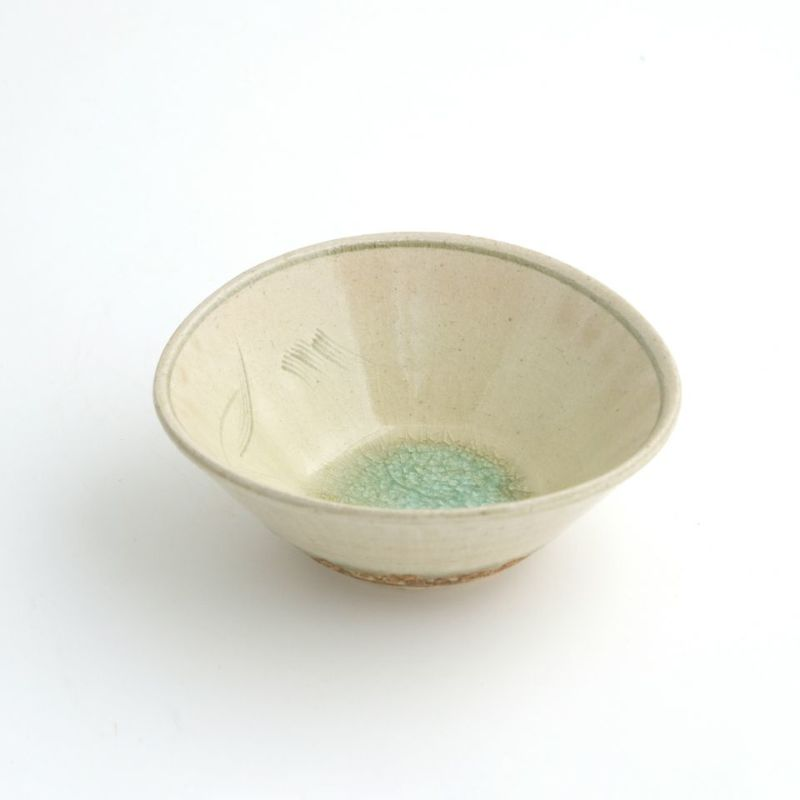
単品 灰釉草文 小鉢〈1個〉 美濃焼
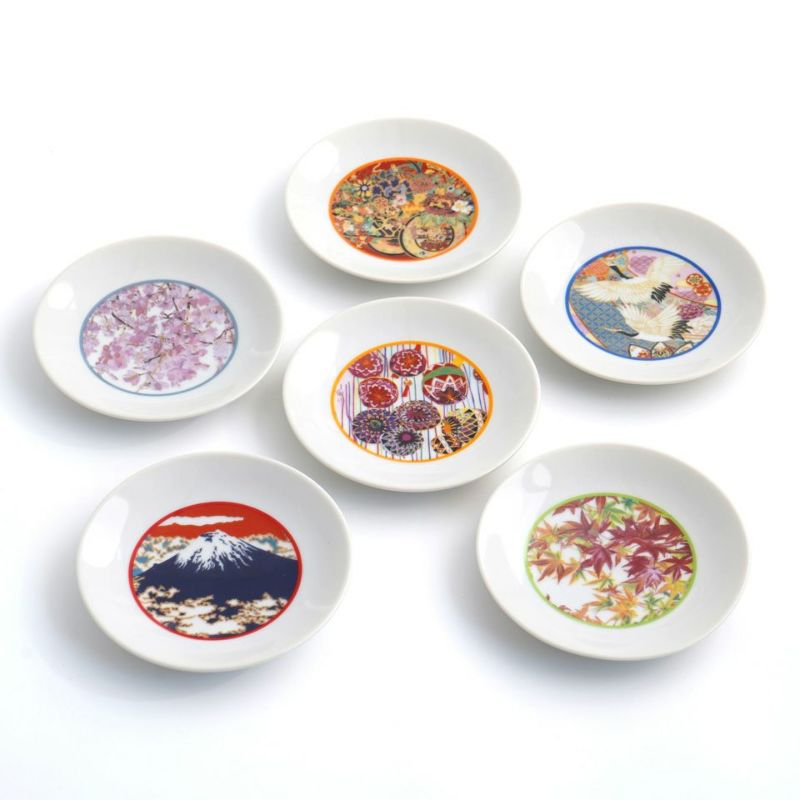
アート村×たち吉 オリジナル小皿セット〈6枚〉
Arita-yaki / Imari-yaki (Saga)
Arita-yaki is Japan’s oldest porcelain, born in Saga Prefecture in the 17th century. World-renowned for its translucent white finish and intricate hand-painted designs in blue and gold, it was historically prized by European royalty as “Imari ware.” Despite its delicate, glass-like appearance, this porcelain is remarkably durable, making it the gold standard for elegant tea sets, ornamental platters, and decorative mame-zara (small plates).
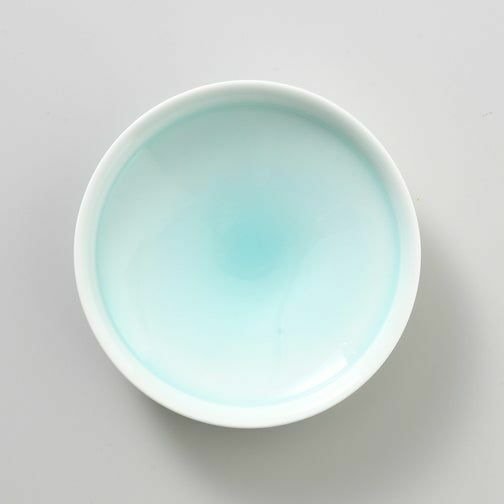
単品 月の雫 菓子皿〈1枚〉 有田焼
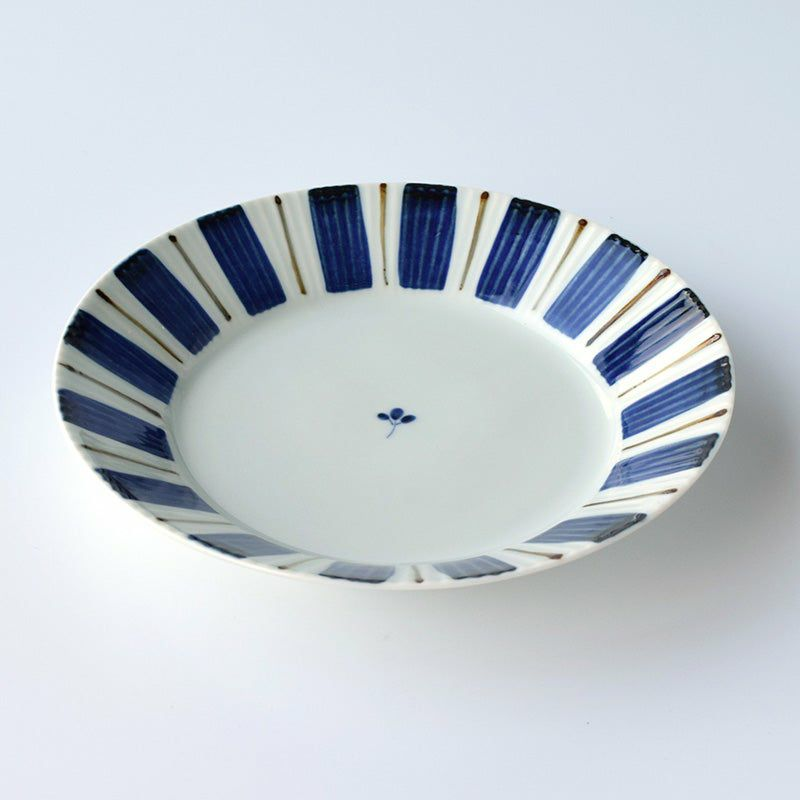
【皓洋窯】呉須錆十草 しのぎ7寸皿〈1枚〉
Seto-yaki (Aichi)
Originating from Aichi Prefecture, Seto-yaki is so foundational that the Japanese word for ceramics, setomono, literally means “Seto things.” As one of the original Six Ancient Kilns, it is unique for mastering a vast range of both pottery and porcelain techniques over the last millennium. This rich heritage makes it a favorite for those seeking high-quality dinnerware sets, artisanal flower vases, and traditional tea ceremony bowls.
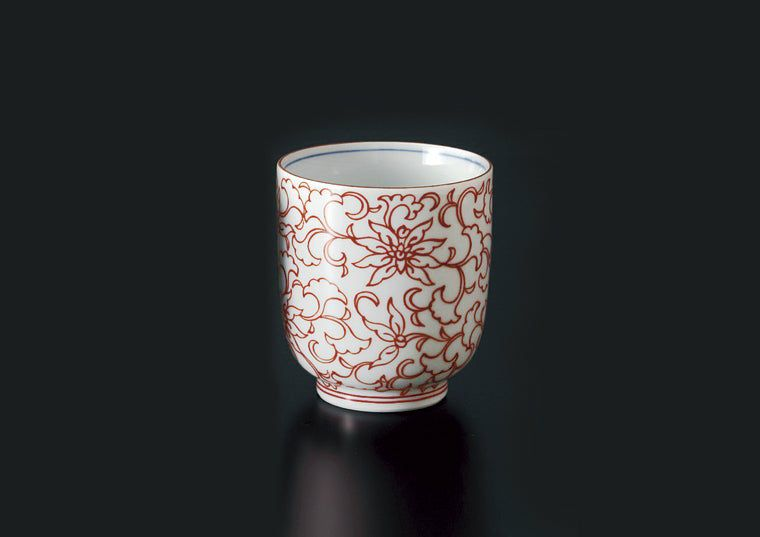
単品 京唐草 湯呑(赤)〈1個〉 瀬戸焼
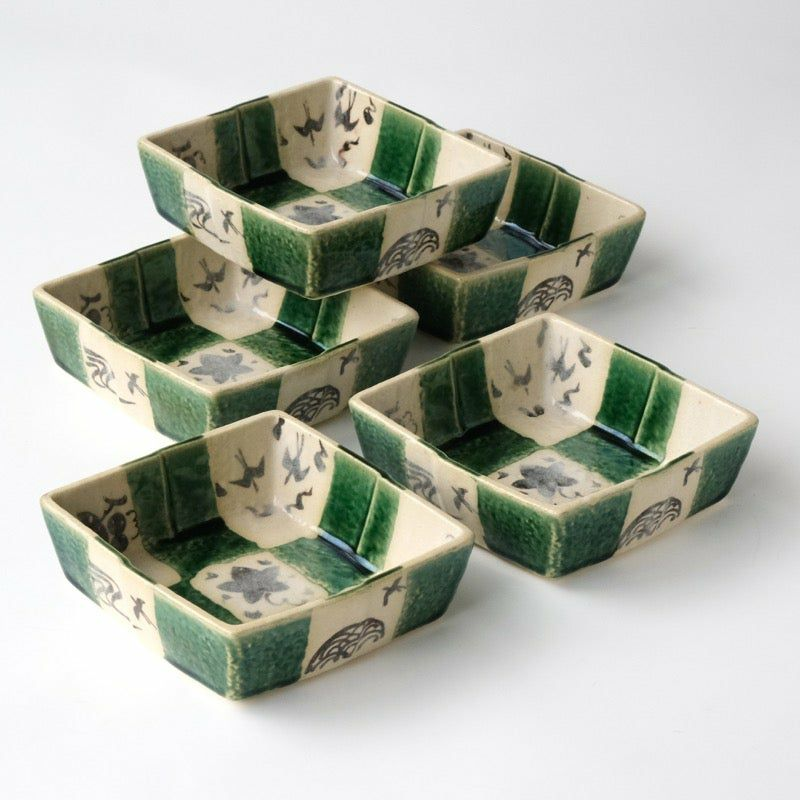
市松 小鉢〈5個〉 瀬戸焼
Six Other Notable Japanese Ceramic Styles for Your Collection
While the “Big Three” are the most prolific, Japan is home to several other legendary regions that offer unique textures and specialized functions. Here are six more styles that are highly sought after by international collectors.
Kyo-yaki & Kiyomizu-yaki (Kyoto)
Originating around the historic Gojo-zaka district, Kyo-yaki and Kiyomizu-yaki represent the pinnacle of Japanese craftsmanship, evolving alongside Kyoto’s millennium of traditional festivals and tea ceremony culture. Unlike other regions limited by local clay, Kyoto ceramics are defined by their inclusive and versatile nature. High-quality raw materials from across Japan converge here, where master artisans use sophisticated hand-painting techniques to depict the changing seasons, classical literature, and auspicious motifs. Ranging from warm, earthy pottery to translucent porcelain, every piece of Kiyomizu-yaki radiates Kyoto’s signature elegance and refined splendor—truly earning its reputation as “art for the dining table.”
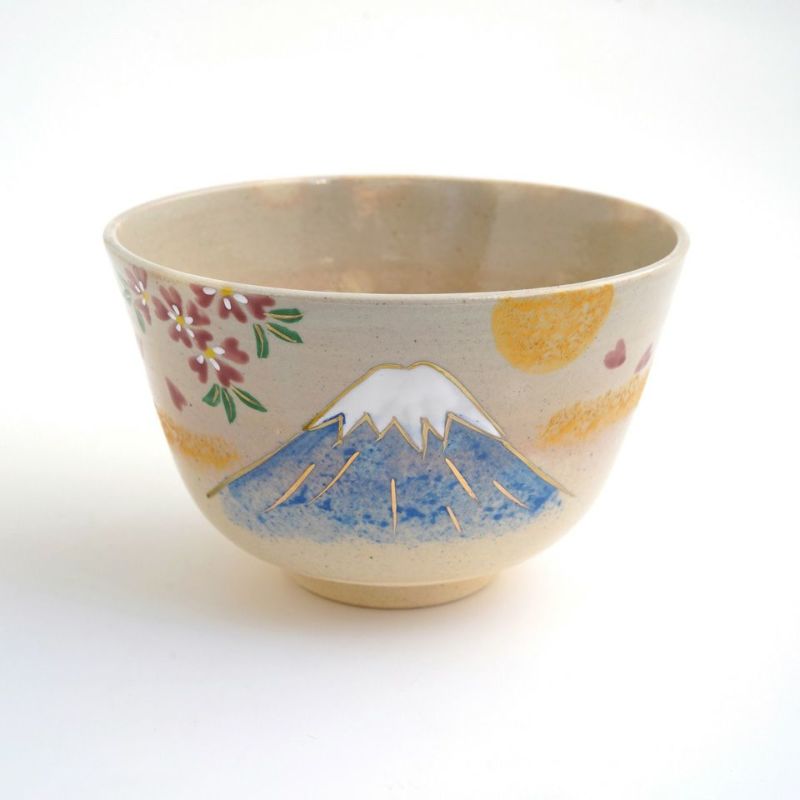
【京焼・清水焼】富士山 桜 抹茶碗〈1個〉
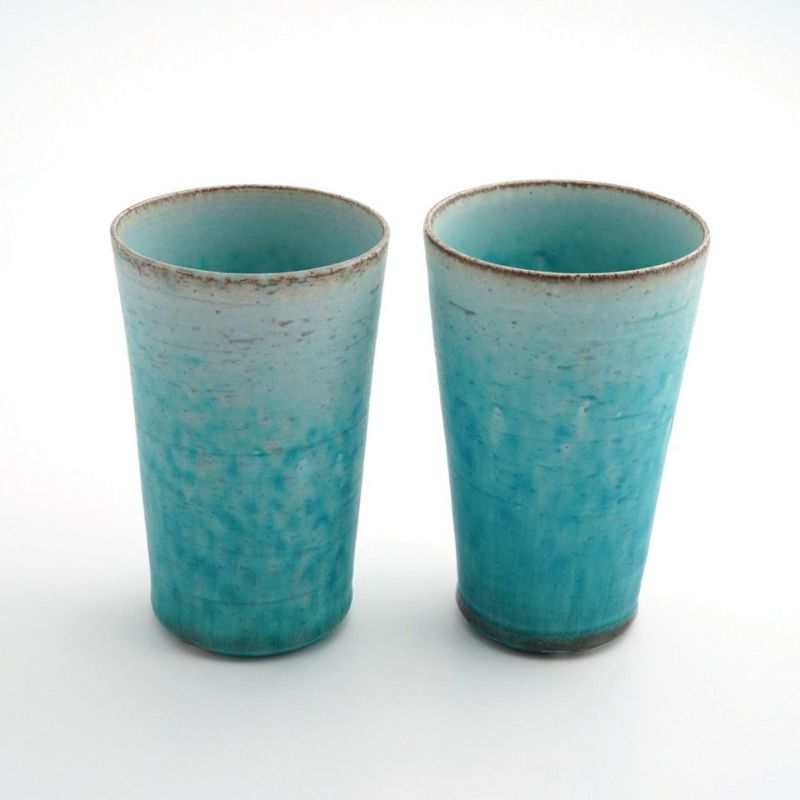
ターコイズ フリーカップ 双〈2個〉 京焼・清水焼
Mashiko-yaki (Tochigi)
Mashiko-yaki is loved for its warm, down-to-earth aesthetic. Originally a hub for practical kitchen jars, it became an artistic center through the “Mingei” (Folk Art) movement, which celebrated the beauty in everyday objects. These pieces are typically thick, sturdy, and finished with rich, earthy glazes. Today, Mashiko-yaki is popular for rustic mugs and breakfast bowls that bring a cozy, handmade feel to a modern kitchen.
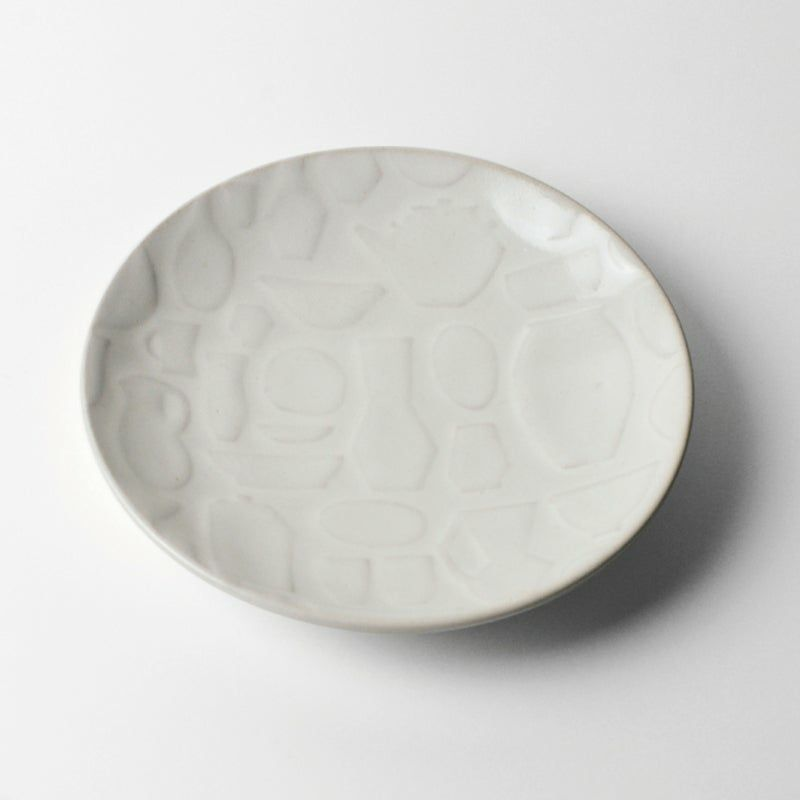
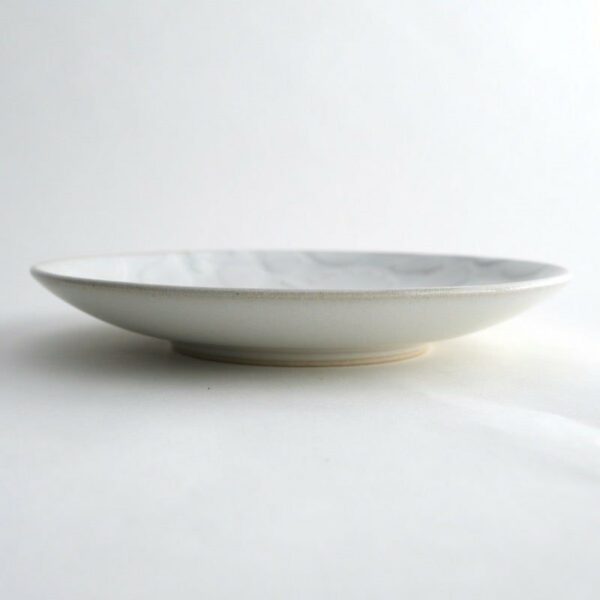
【益子焼】レリーフ 糠白釉 マルチプレート〈1枚〉
Hasami-yaki & Mikawachi-yaki (Nagasaki)
These two styles from Nagasaki Prefecture represent a perfect blend of history and modern design. Hasami-yaki has been the “people’s porcelain” for 400 years, now famous for its minimalist plates and stackable cups that feel like a Japanese take on Scandinavian design. Mikawachi-yaki, in contrast, is known for its intricate “blue and white” porcelain and delicate pierced carvings, often seen in ornate small bowls and incense burners.
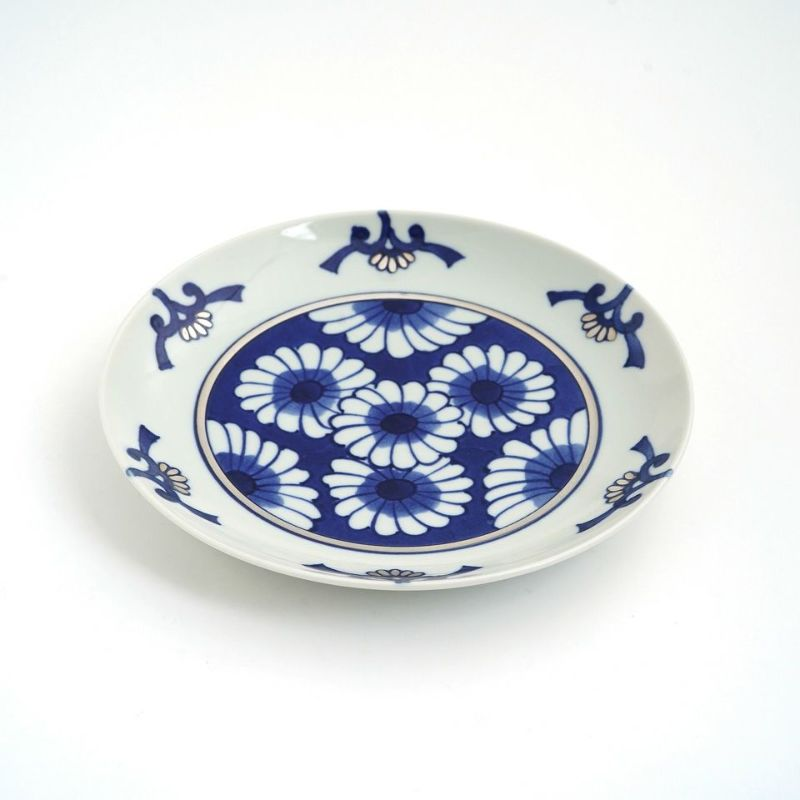
【波佐見焼】菊割銀小花 プレート185〈1枚〉
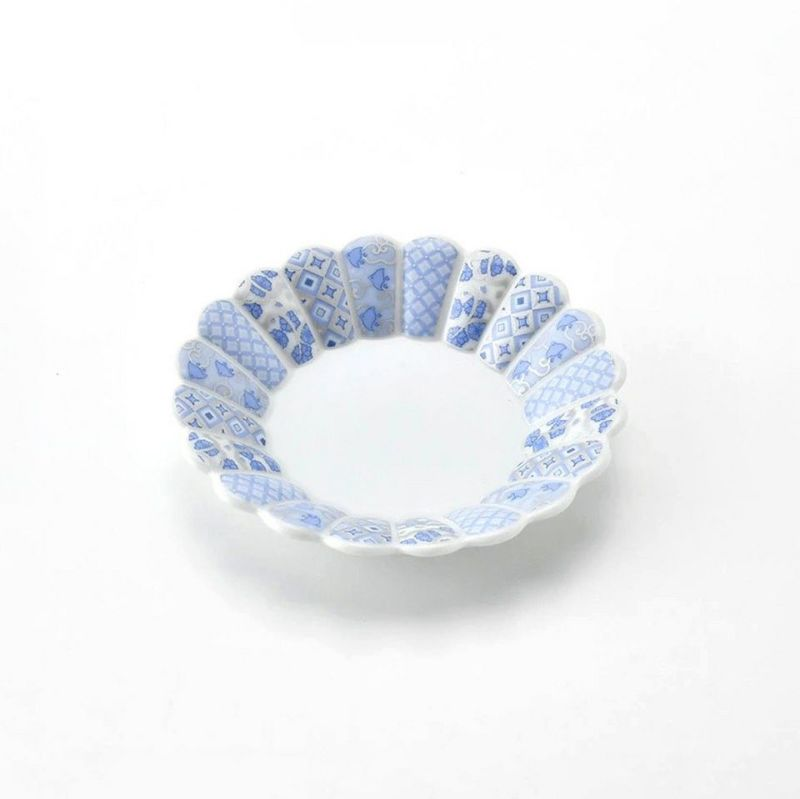
【波佐見焼】花離宮 15cm 丸皿(ブルー)〈1枚〉
Banko-yaki (Mie)
Banko-yaki is defined by its exceptional heat resistance. It is most famous for producing the donabe (clay pot), an essential tool in Japanese kitchens for slow-cooking stews and rice. The clay’s ability to retain heat makes it perfect for communal dining. Additionally, their unglazed purple-clay teapots are prized by tea lovers for their durability and the way they develop a beautiful luster over years of use.
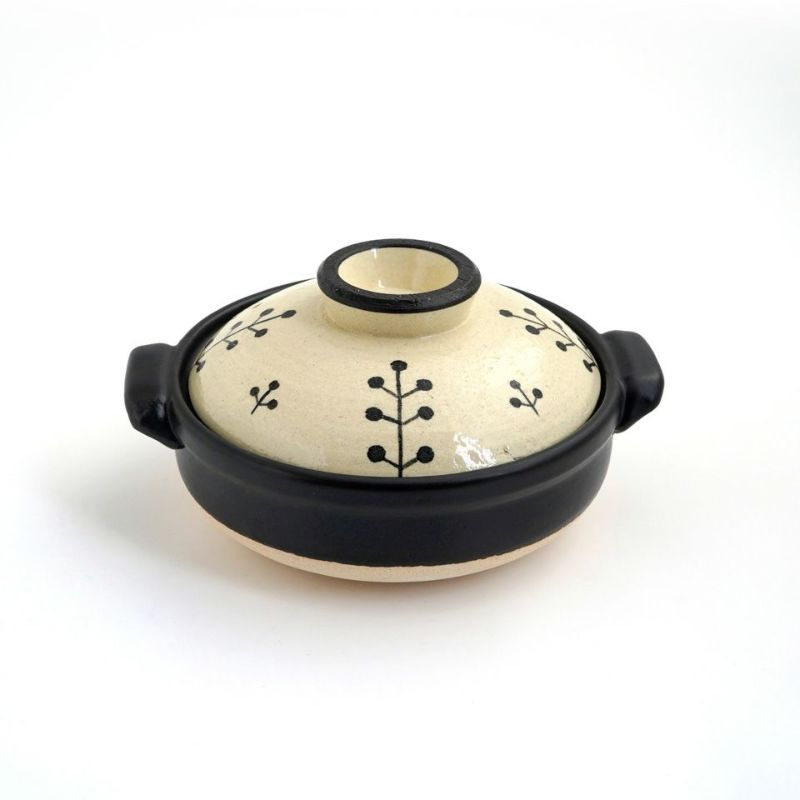
木の実 土鍋(6号/1~2人用)〈1個〉 四日市萬古焼
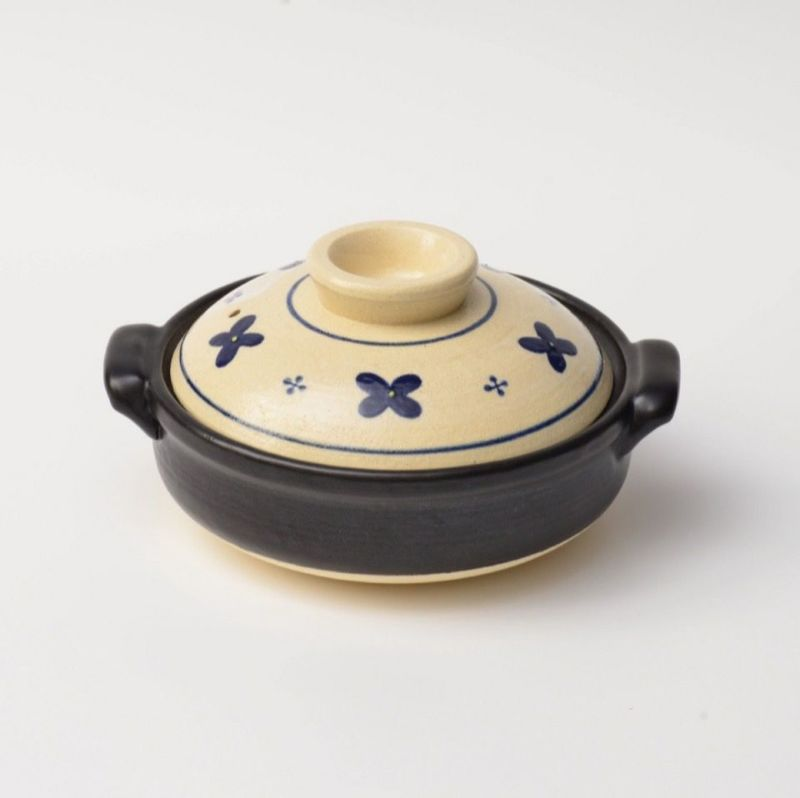
はなはな 土鍋(6号)〈1個〉 四日市萬古焼
Kutani-yaki (Ishikawa)
Known as “Japan Kutani” to 19th-century Western collectors, Kutani-yaki is world-famous for its bold, “five-color” palette of red, yellow, green, purple, and navy. The designs are often illustrative and vivid, making them feel like paintings on a porcelain canvas. It is the best choice if you are looking for vibrant accent plates, colorful tea cups, or statement decor that adds a splash of Japanese artistry to your room.
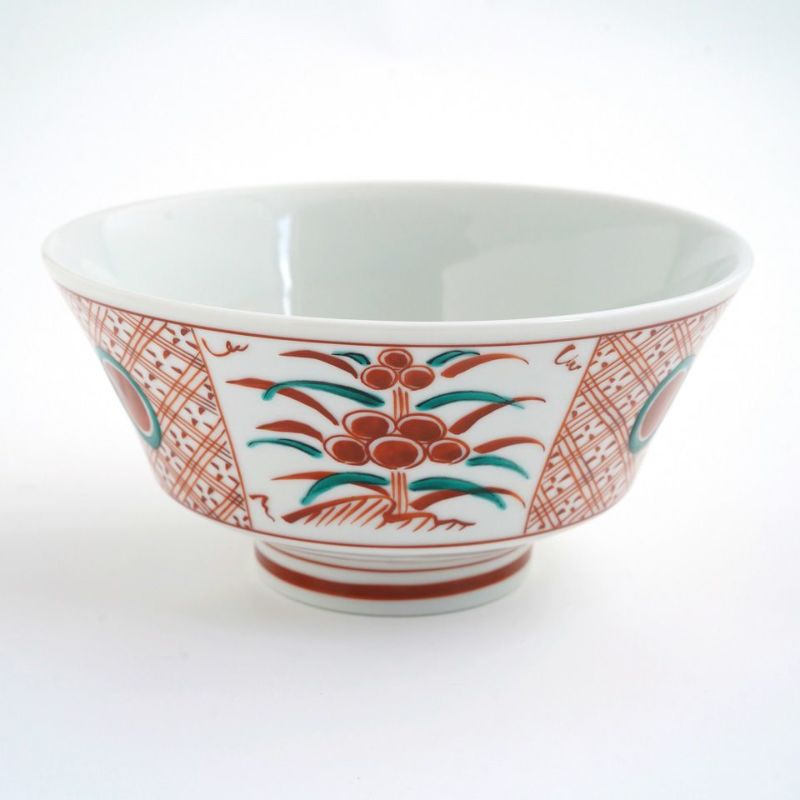
【九谷焼】丼・赤絵〈1個〉
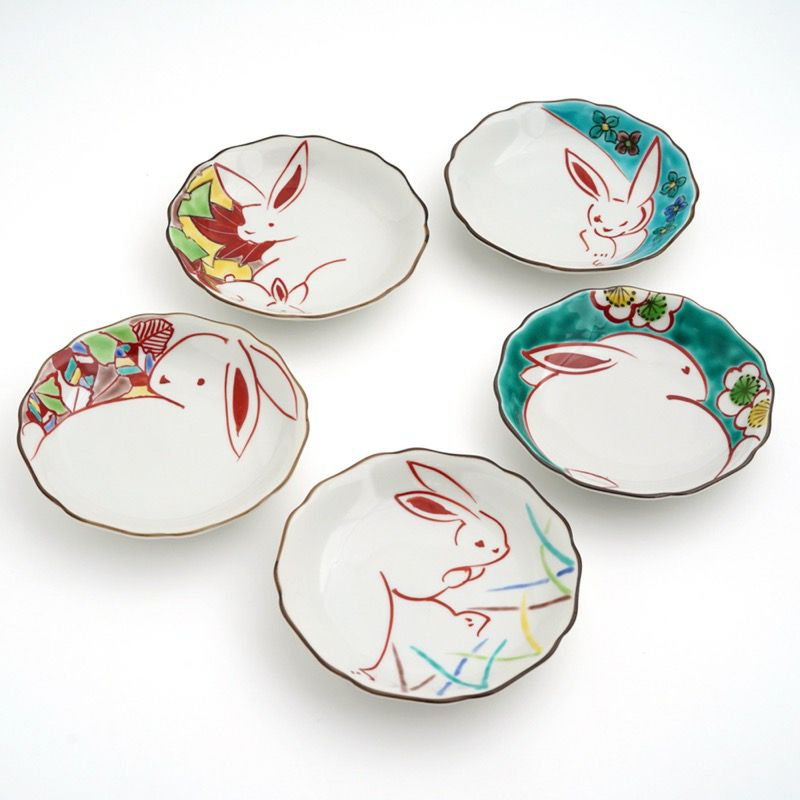
【九谷焼】4.2号皿揃 花うさぎ〈5枚〉
Hagi-yaki (Yamaguchi)
Highly esteemed by tea masters, Hagi-yaki is prized for its soft, pastel-toned glazes and “living” quality. Because the clay is porous, the color of the tea gradually seeps into the fine cracks over time, a beautiful aging process known as the “Seven Transformations of Hagi.” This makes Hagi tea bowls and yunomi cups a poetic choice for those who appreciate objects that evolve alongside their owner.
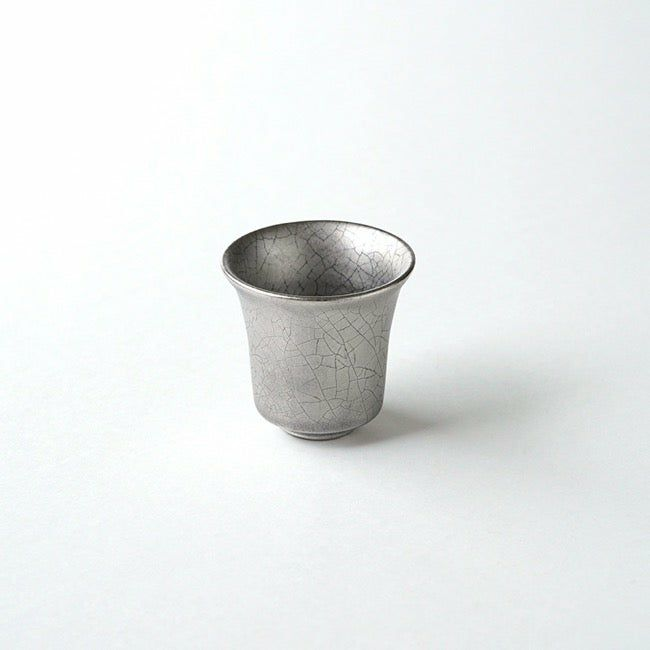
【天龍窯】銀彩酒杯
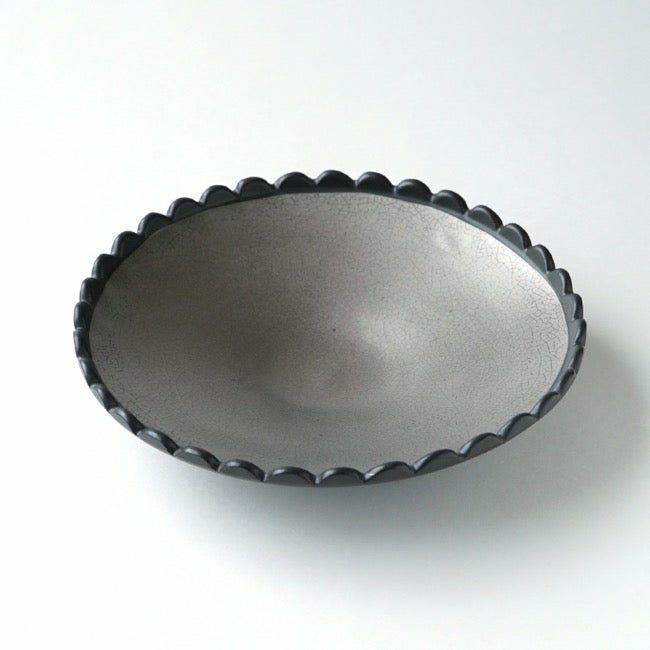
【天龍窯】花びら鉢大シルバー
Integrating Japanese Ceramics into Your Modern Lifestyle
The beauty of contemporary Japanese ceramics lies in their effortless versatility. You don’t need a traditional tea room to appreciate these pieces; they are designed to be lived with and loved. Here is how to weave these artisanal treasures into your daily routine.
The Art of Mixing and Matching
Unlike Western dining traditions that favor identical sets, Japanese table styling celebrates the harmony of contrast. By pairing a smooth, vibrant Arita-yaki porcelain plate with a textured, earthy Bizen-yaki bowl, you create a table that feels curated and alive. Experimenting with different shapes and glazes adds a sophisticated, three-dimensional depth to your meals that a uniform set simply cannot replicate.
Celebrating the Seasons
In Japan, tableware often changes with the calendar. Many pieces feature subtle seasonal motifs, like delicate cherry blossoms for spring or warm maple leaves for autumn. Incorporating these symbols into your home turns a simple dinner into a seasonal ritual. Using specific pieces for certain times of year allows you to slow down and celebrate the passing of time, grounding your lifestyle in the natural world.
A Path Toward Sustainability
Choosing handmade ceramics is a meaningful step toward a more sustainable lifestyle. Unlike mass-produced alternatives, these durable, natural pieces are built to endure for generations. Many styles actually gain character as they age, developing a unique patina over decades of use. By investing in heritage brands like Tachikichi, you are choosing timeless craftsmanship over disposable culture.
How to Buy Authentic Japanese Pottery Online: A Step-by-Step Guide
From the raw, unglazed strength of ancient kilns to the vibrant elegance of Arita porcelain, Japanese ceramics turn every meal into a tactile connection with a storied heritage. Through TACHIKICHI, bring Japanese traditional soul to your modern table!
Ready to find your perfect piece? You can easily bring these treasures home through the Buyee shopping proxy service. For more styling inspiration and curated product spotlights, follow @buyee.unbox.picks on Instagram and stay connected with the very best of Japanese craftsmanship!
📦 Want to easily order official merchandise from the US, Canada, Australia, the UK, and more?
Try Buyee’s Global Shopping Cart for hassle-free proxy shopping:
❌ No VPN needed
❌ No Japanese required
✅ Ships overseas after checkout—with multiple international delivery options!
Here’s how👇
Buyee’s overseas ordering cart Checkout Guide – Step-by-step:
- Go to the official website and choose the item you want.
- Click “Add to Cart” and proceed to the checkout page.
- On the checkout page, select the “Buyee Global Shopping Cart” button.
- You’ll be redirected to the Buyee site. Log in or create a Buyee account.
- Confirm your item and shipping details, then complete your order!
🛍️ Why Use Buyee’s Global Shopping Cart?
✅ Interface available in Traditional Chinese
✅ Multiple payment options including credit cards and PayPal
✅ International shipping from Japan to your doorstep
✅ Ships to most countries and regions worldwide
👉 Want to learn more about how it works?
[Full Step-by-Step Guide]
How to purchase from official Japanese brand websites using Buyee’s Global Shopping Cart